Autism and Behaviour in the Classroom: What Changed in the Room?
Hi, I'm Steph, an autism and SEND specialist. Each week I write one real story from inside a school. What I saw. What it meant. What it might change for you on a Monday morning. And, starting this week, a few new resources worth your time.
The environment is a theme I often speak with school staff about. When a child may not be coping as well in a particular class or room, look at the environment. A classroom is never still. We move a display, swap a seat, bring in a different table to free up space, shift the routine to make the morning work.
Small, sensible changes, the kind you make on a busy Tuesday without a second thought. But to a child what feels like a minor tweak to us, can quietly pull the floor out from under them. So when something chnages in how a child is coping in a particular space, the environment is a good place to focus on.
In this weeks' real-life story from a classroom, that's exactly where the answer was.
The Table Got Smaller
I'd observed a boy in reception who I had been observing termly since nursery. I had last observed him a month earlier. I'll call him Luca.
During the last visit, he was working at a table alongside a TA. He had a defined workspace, organised resources, visuals within reach. I observed him actively take part in structured tasks, then engage in free-flow play, then back to structured tasks again.
The staff told me the same thing I could see: the structure was working for him and he was engaging in both structured and child-led learning.
During the next visit, I met with the staff team prior to the observation and they described that they were worried. His behaviour had changed. He wasn't engaging the way he had been. Something had changed and no one knew why.
I observed him and noticed a huge change. I looked at his table. It was a different table. Much smaller. Brought in, I later found out, as a decision by SLT to free up space in the classroom. His legs barely fit under it. He wasn't sitting at the table as much anymore, and when you looked at him trying to, you could see why. There was no room for his organised resources either. The space that had enabled him to feel comfortable and engage in the structured learning, no longer worked for him.
“Luca's needs hadn't changed. A table had changed, and we'd started reading the fallout as him.”
This is an easy mistake to make, and often a hard one to catch, especially with pressures on space and resources. Furniture sometimes doesn't feel like provision but rather like logistic. We'll agonise over a child's timetable and then swap their table to make a room work, without clocking that for some children the table, the space is an adjustment thats working.
Names are always changed. Schools are never identified. Everything else is as observed.
— Steph Reed
Take This Into Your Classroom
Resources Worth Sharing
There's one change to a child's environment we know is coming, every single year. A new class. A new room, new adults, new routines, a different door and a different place to sit, all at once, and after six weeks away! For a child who finds change hard, that's a great deal to process before they've even taken their coat off.
So this week's tool is one you can put in place now if you haven't already done so, ahead of upcoming transitions. It's an editable My New Class transition book. A personalised photo social story you fill with your own photos, so the unknown becomes familiar before the first day.
The Weekly newsletter
Real stories. No spam. Two minutes, once a week.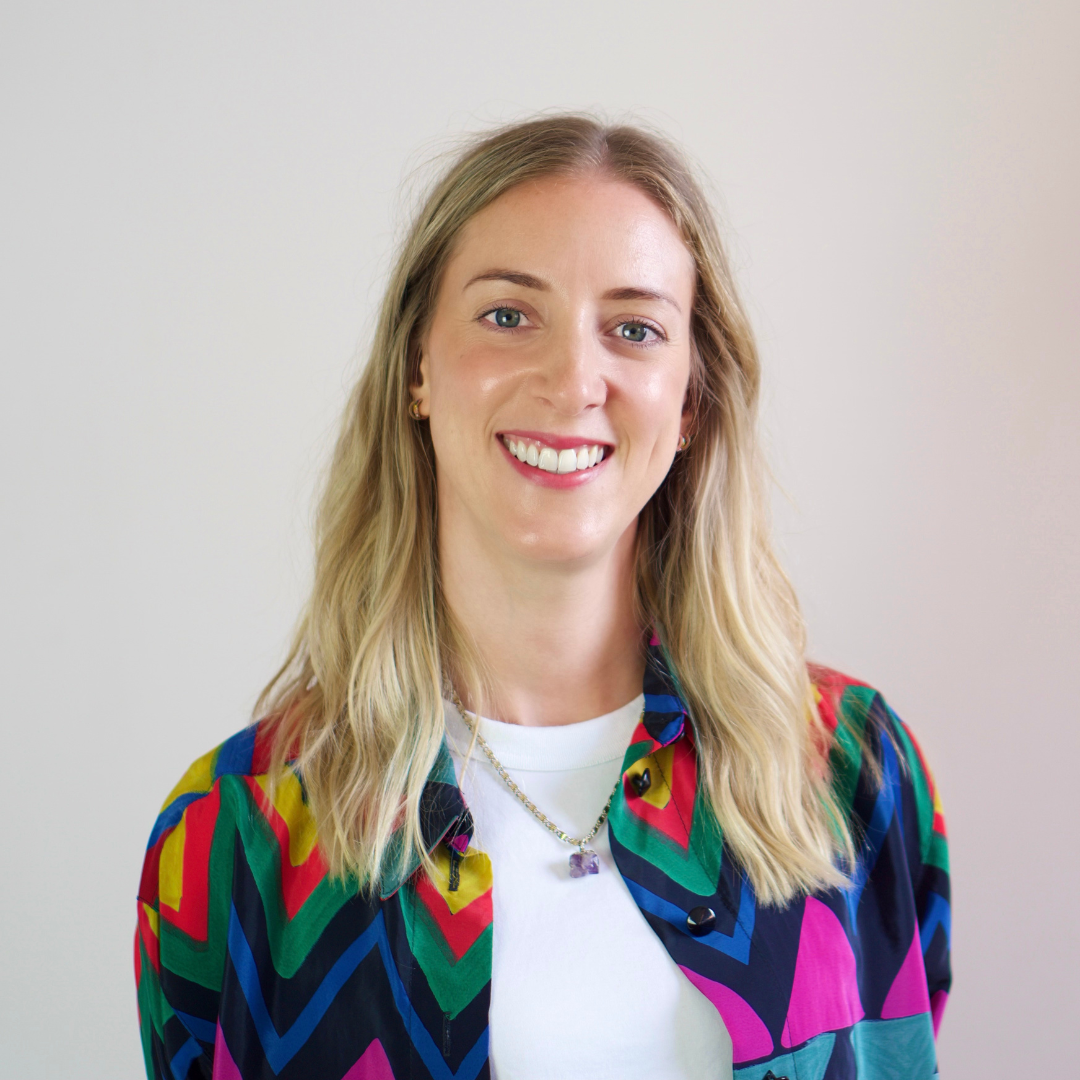
Meet the Author
Steph Reed is an autism and SEND specialist with twenty years in special needs education, including six years leading classrooms across London. She now consults in schools and runs the online training platform Autism for Teachers. She's neurodivergent herself, and her own experience of school is a big part of why she does this work. The School Visit is where she shares what she notices in real classrooms, with practical strategies you can use straight away.
